Use Cases
Use Cases for 3D Scanning in Arbitration
Our 3D scanning services are particularly valuable in technical arbitrations involving disputes over construction, manufacturing, or design. Some of the key use cases include:

Our 3D scanning services are particularly valuable in technical arbitrations involving disputes over construction, manufacturing, or design. Some of the key use cases include:
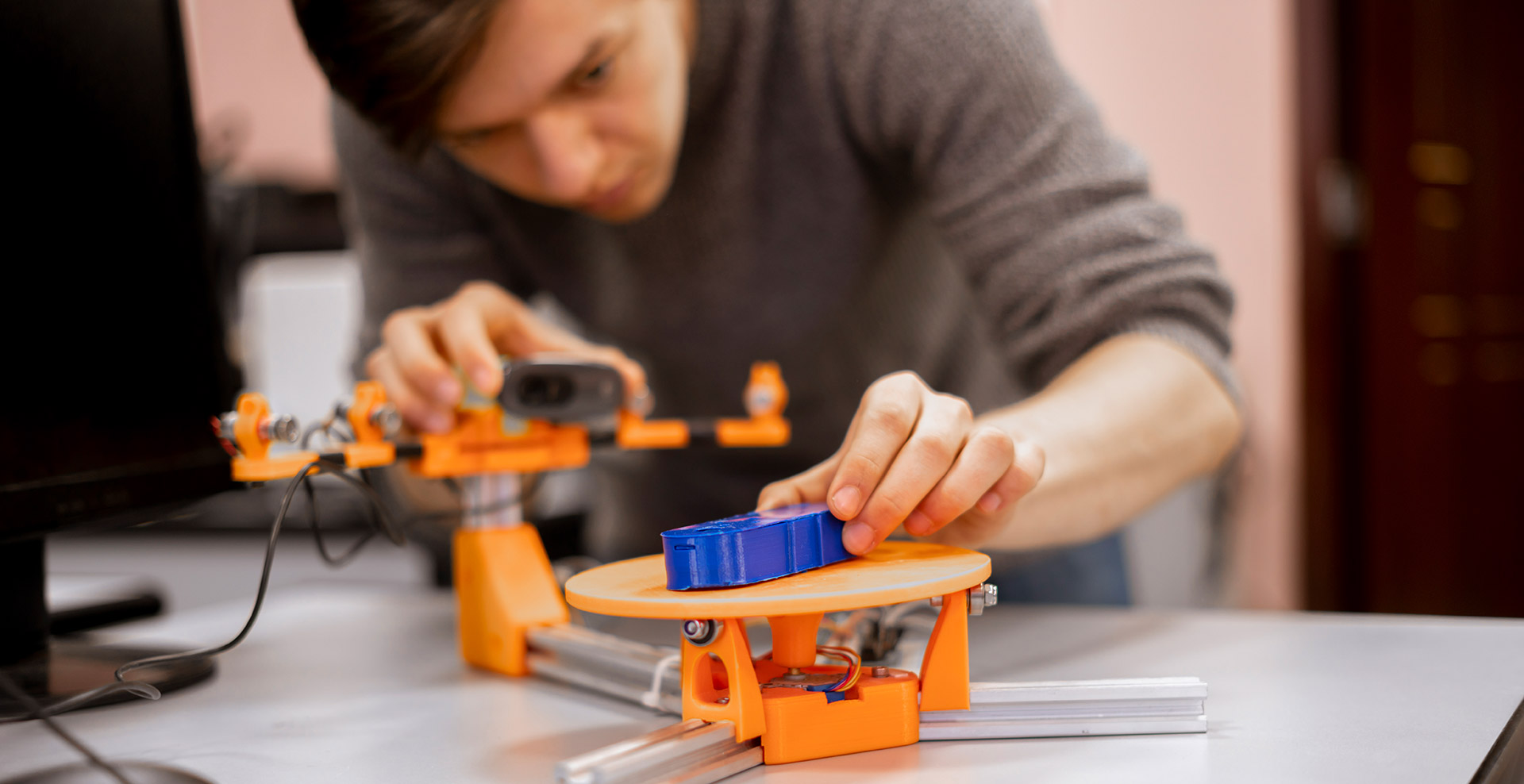
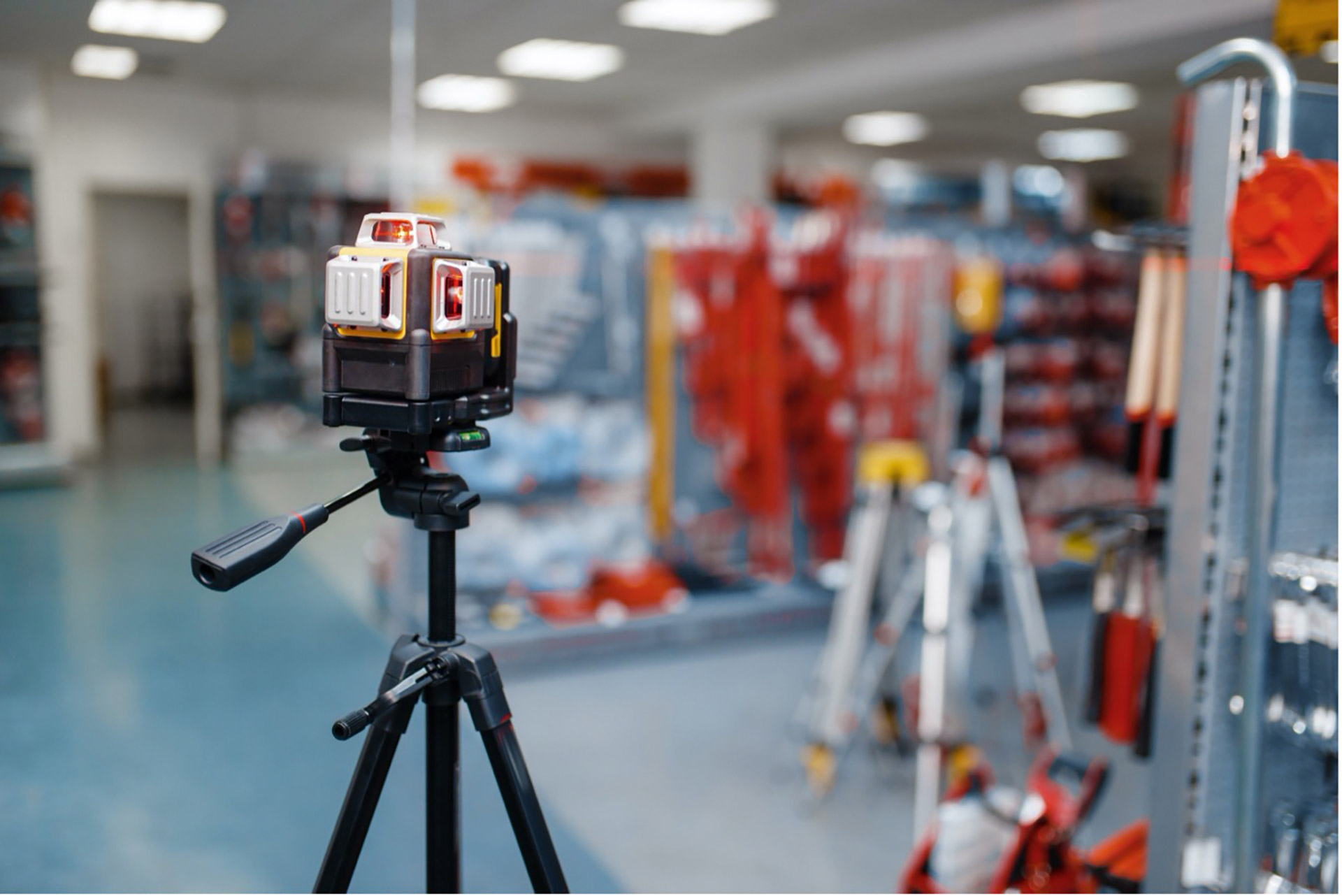
3D scanning captures highly accurate, full-scale digital representations of physical objects or environments, down to millimetre-level precision. This ensures that every component, measurement, and spatial relationship is faithfully recorded for analysis.
The 3D models created from scanning provide clear, objective visual evidence of the condition, design, or arrangement of an object or site. This reduces ambiguity in disputes and allows arbitrators to see exactly what is being contested.
Unlike traditional methods, 3D scanning allows for the rapid capture of data, saving time and resources compared to manual measurements or photographs. This is crucial in fast-paced arbitration scenarios where time is of the essence.
For large industrial sites or complex systems, 3D scanning provides a detailed, accurate representation of the entire facility or component, which is essential for resolving disputes in environments where site conditions or system configurations are in question.
3D scans can be seamlessly integrated with other technologies, such as BIM models, CAD files, and drone footage, enhancing the depth of analysis and providing a complete, holistic view of the issue at hand.
...
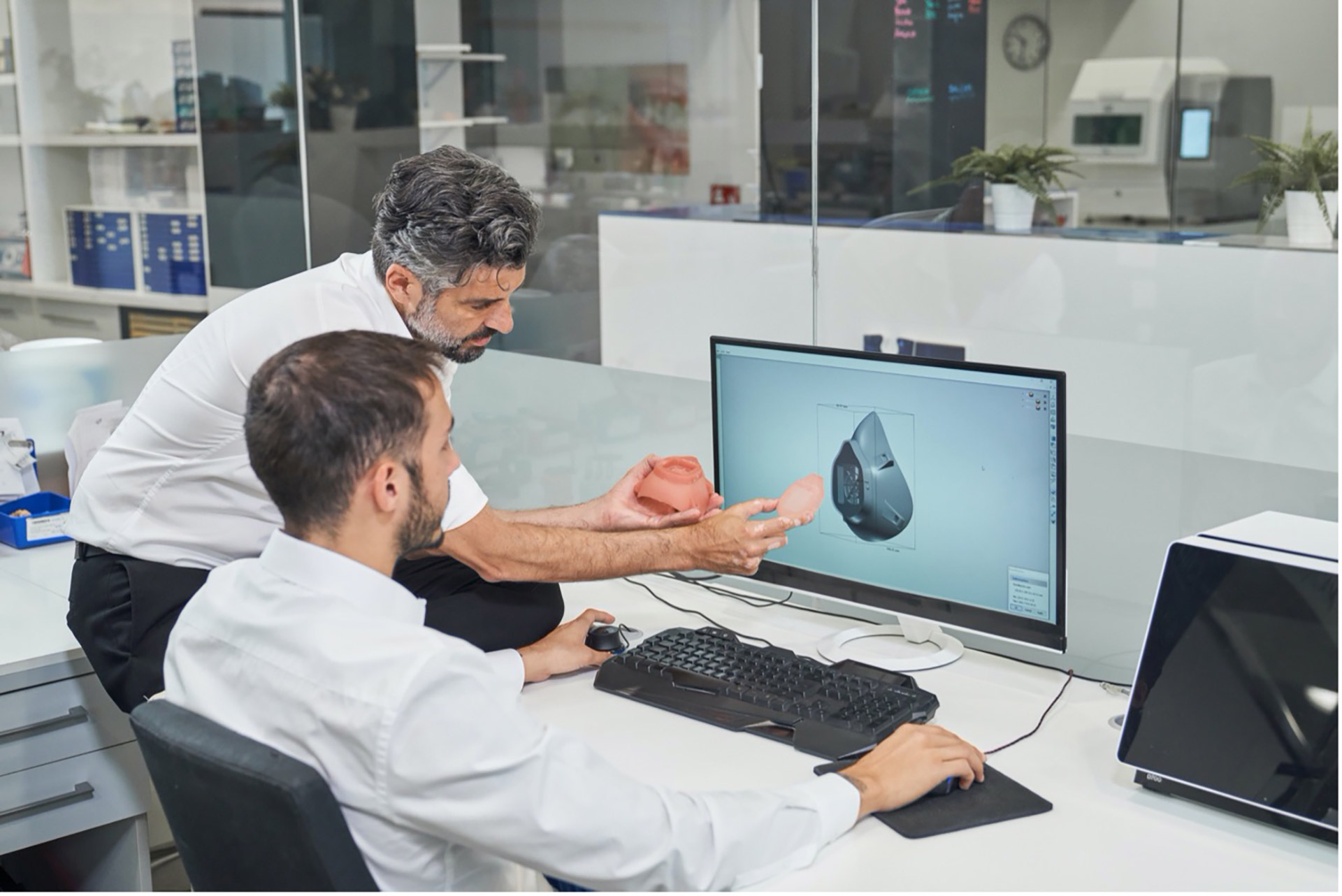
Every case is unique. We begin by understanding your dispute, identifying the critical components or areas to be scanned, and developing a strategic plan for the scanning process. This includes:
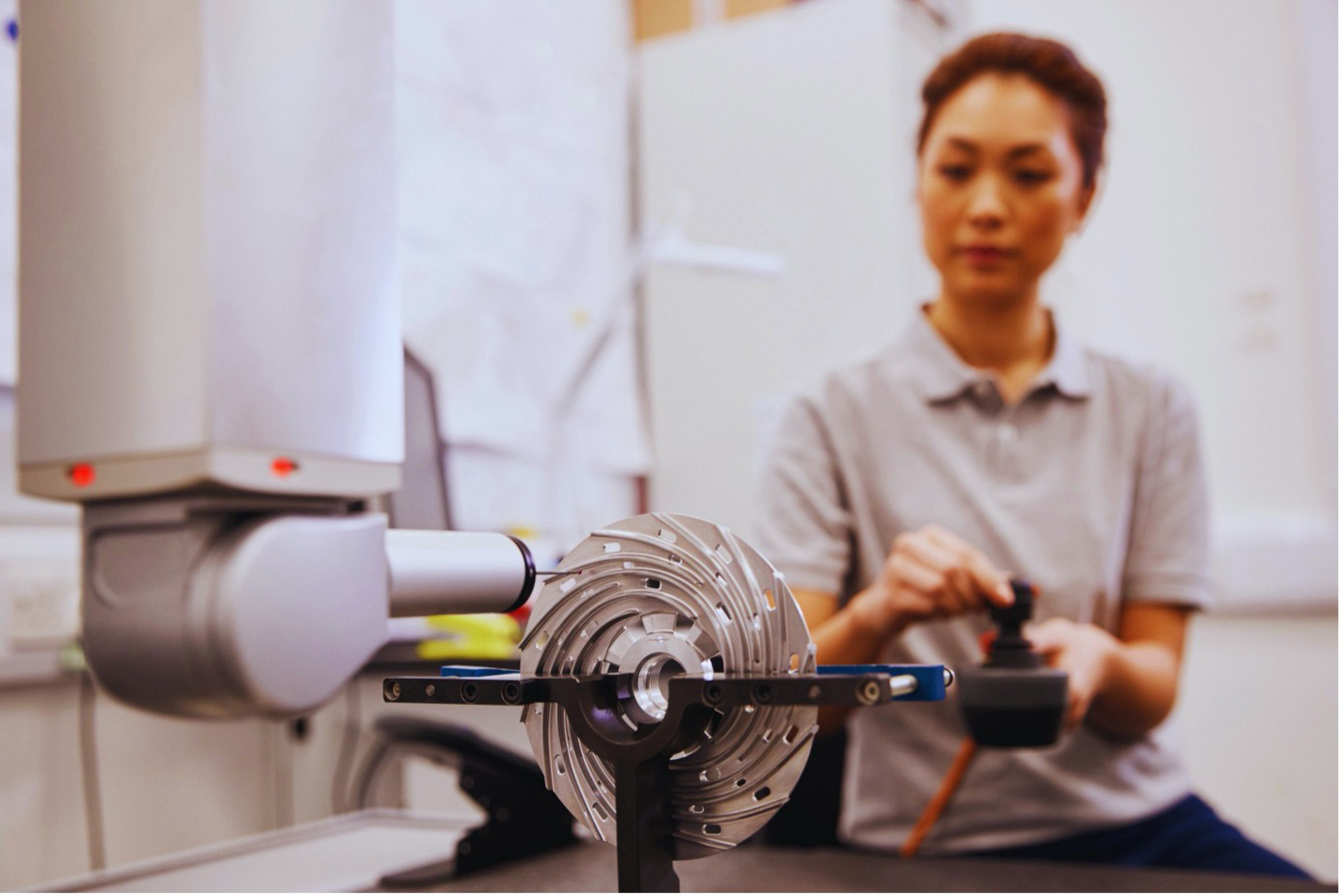
Our skilled technicians will then capture the necessary data using the best scanning equipment available:
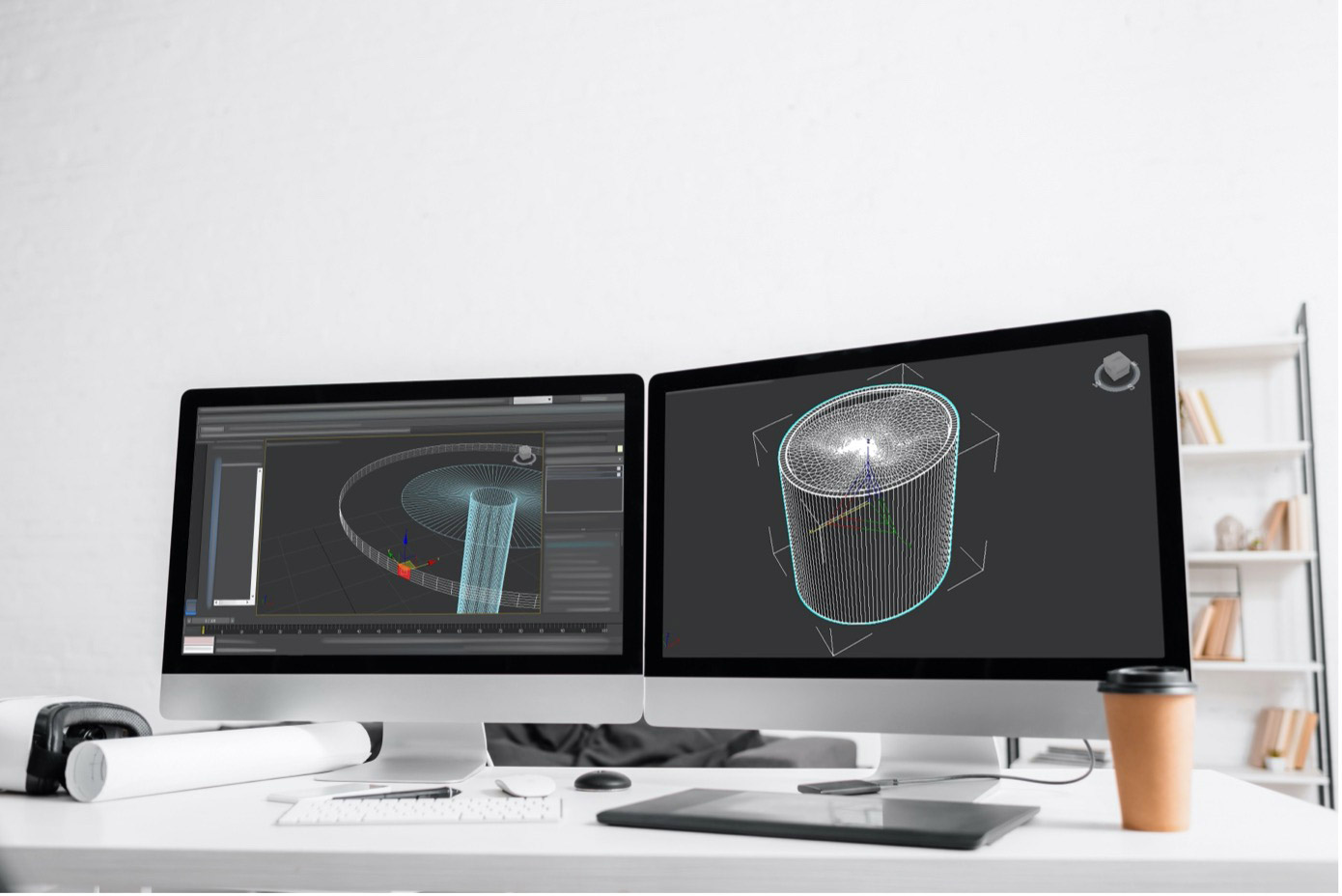
Once the scanning is complete, we process and analyse the captured data to create detailed 3D models and visual representations:
The final step involves refining the data and preparing it for presentation in arbitration:
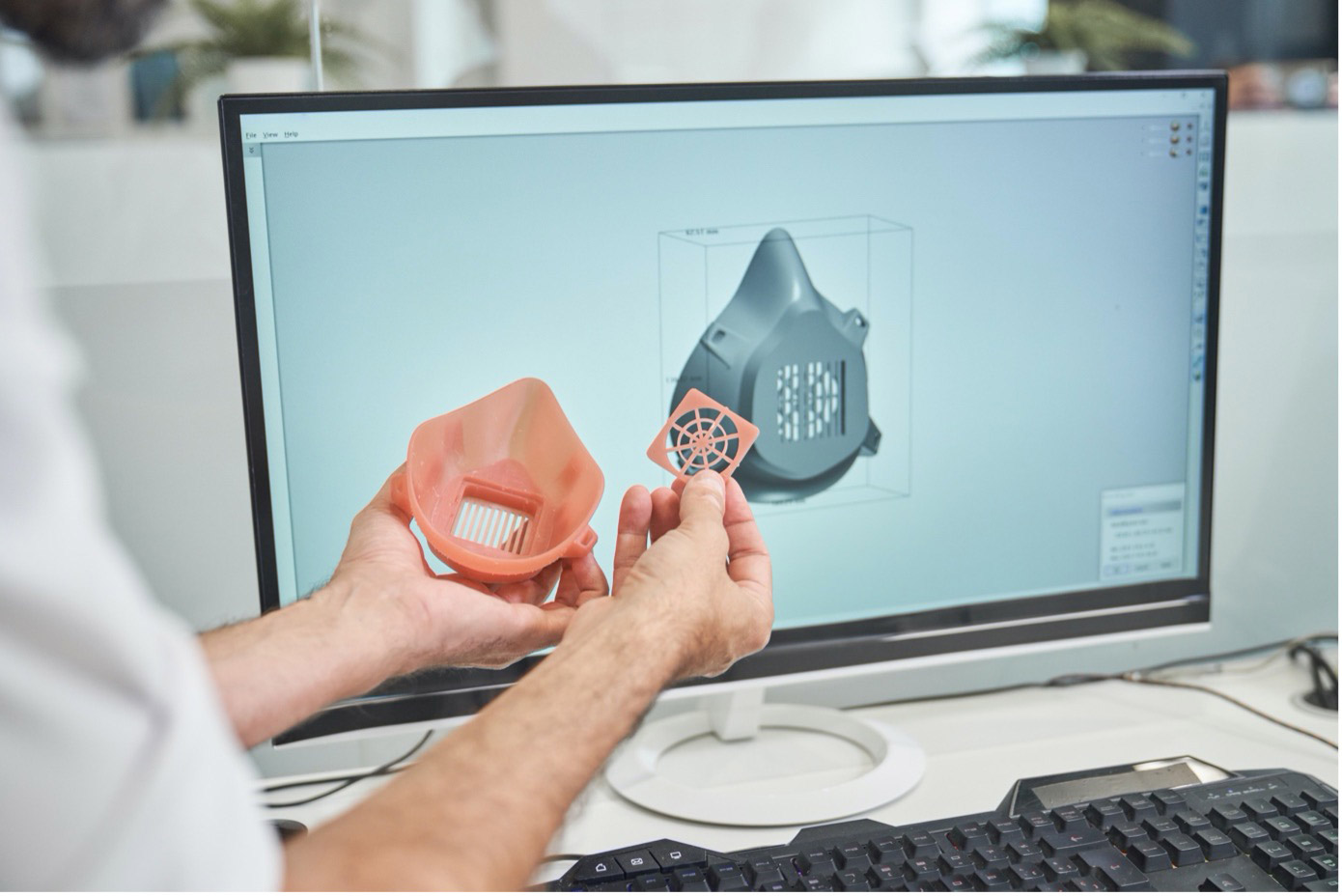

We provide you with a final, professional presentation of the 3D scan data, which can include:
...
Lawyer-Led Expertise – At ARB–360, our 3D scanning services are guided by legal professionals with arbitration experience. This ensures that scans are not just technically accurate, but also legally strategic – tailored to support the core of your claim or defence.
Strategic Evidence Presentation – We don’t just scan; we craft a compelling visual narrative. By combining legal insight with technical capabilities, we present complex spatial and technical information in a way that arbitrators can immediately understand and rely on.
State-of-the-Art Equipment – We utilize industry-leading 3D scanning tools such as the Matterport Pro3, FARO Focus Premium, Leica BLK360, and Trimble X7—all known for their unparalleled accuracy, range, and efficiency. These tools allow us to capture every millimetre of detail, even in large-scale or complex industrial environments.
High-Fidelity Scans, Rapid Turnaround – Our technology delivers ultra-precise point clouds and photorealistic 3D environments with minimal disruption to ongoing operations—ensuring that you get high-quality data, fast.
Clear, Case-Relevant Documentation – Our outputs are designed with the tribunal in mind—concise, relevant, and aligned with the legal issues in dispute. Every scan we deliver is tied to the facts that matter most.
Integrated Legal Strategy – By embedding legal expertise into every phase of the scanning process—from planning to final presentation—we ensure your visual evidence directly supports your broader legal narrative.
Relative to the substantial time and resources allocated elsewhere in the arbitration process, our services represent a modest cost with the potential to yield significant results. Moreover, this investment may ultimately be cost-neutral. Under the costs-follow-the-event principle, our fees may be recoverable if the case is decided in your favour. At ARB–360, we recognise that arbitration expenses can escalate rapidly. However, when our services contribute meaningfully to a successful outcome, the cost may not only be justified—but returned.
Looking to leverage 3D scanning technology for your arbitration? Get in touch with ARB–360 today to see how our cutting-edge scanning solutions can provide the precise, detailed evidence you need to support your case.